
The main types of movers are full-service movers, labor-only crews, local (intrastate) movers, interstate carriers, brokers, van line agents, container companies, truck rental, specialty movers, auto transporters and international movers. Who regulates each one differs, and that decides what you should check. An interstate mover needs a USDOT number from FMCSA, and a broker can’t haul your goods itself.
Movers Directory is a directory and quote service, not a mover. Our moving companies directory lists licensed movers by state, and a quote request goes to up to 4 of them.
Types of movers compared
| Type | What it does | What to check | Usually fits |
|---|---|---|---|
| Full-service mover | Packs, loads, drives, unloads; may unpack | USDOT number for interstate moves, state license for in-state moves | Busy households, family homes, long distances |
| Labor-only crew | Loads or unloads a truck or container you arranged; doesn’t drive | Business details, insurance, written rate | DIY moves with a rental truck or container |
| Local (intrastate) mover | Moves you within one state | Your state’s mover license or registration | Moves that don’t cross a state line |
| Interstate carrier | Hauls your goods across state lines with its own trucks | USDOT number and FMCSA registration | Long-distance moves |
| Broker | Books your move with a mover; owns no trucks | FMCSA broker registration and the name of the actual mover | People who want one contact to shop movers |
| Van line agent | A local company acting for a national van line | The agent’s own numbers and the van line named on your paperwork | Long-distance moves with a national network |
| Container company | Drops a container; you load it; it hauls it | The company’s own contract and liability terms | Flexible timing, storage between homes |
| Truck rental | Rents you the truck; you do everything else | Rental agreement, damage coverage, your own insurance | Small moves and tight budgets |
| Specialty mover | Handles pianos, art, antiques, safes | Experience with the item and declared value in writing | High-value or awkward items |
| Auto transporter | Ships your car on a carrier truck | Carrier or broker registration and the inspection report | Long moves when you won’t drive the car |
| International mover | Moves goods to another country, often by ocean | FMC license for the ocean intermediary | Overseas moves |
Full-service movers
A full-service mover handles the whole job. Its crew wraps furniture, loads the truck, drives it and unloads at the new home. Packing and unpacking are usually extra. FMCSA’s moving glossary calls these accessorial services, meaning services “such as packing, appliance servicing, unpacking, or piano stair carries that you request to be performed.”
Ask which services are in the price and which are add-ons, and get the list in the written estimate. On an interstate move, the mover is liable for loss or damage under the valuation you choose on the bill of lading. FMCSA explains the two options on its valuation page. Released Value costs nothing extra and pays no more than 60 cents per pound per article. Full Value Protection pays the replacement value of lost or damaged items.
A full-service mover suits a household with more furniture than friends, a tight timeline, or a long distance to cover.
Labor-only movers
Labor-only movers load or unload, and that’s all. You rent the truck or container, and the crew carries furniture and boxes for an hourly rate. They don’t drive your goods anywhere, which is why they’re a common add-on to a do-it-yourself move.
The federal household goods rules center on companies that transport goods. FMCSA’s definition of a household goods motor carrier in 49 CFR 375.103 excludes containers or trailers “entirely loaded and unloaded by an individual other than an employee or agent of the motor carrier.” A crew that only loads doesn’t transport anything, and a container loaded by helpers you hired yourself falls outside that mover definition. The interstate consumer rules don’t protect you here, so the paperwork is up to you.
- Get the hourly rate, the minimum hours and any travel charge in writing.
- Ask whether the company carries liability insurance and what it covers if a crew member drops your dresser.
- Pack the truck yourself or watch the load, because you’re the one driving it.
Our guide to hiring movers vs. moving yourself compares this hybrid with a full-service move.
Local movers: licensed by your state
A local mover handles moves inside one state. FMCSA calls this an intrastate move, one where “no state borders are crossed.” The federal government doesn’t license these moves. FMCSA’s guide to selecting a mover says requirements vary for moves within a state and points you to your state, county or local consumer affairs agency or your state attorney general.
Who licenses local movers depends on the state:
- In Texas, movers working inside the state need an active certificate from the Texas Department of Motor Vehicles.
- In California, they need a Household Mover’s Permit from the Bureau of Household Goods and Services.
- In New York, the state Department of Transportation licenses moves wholly within the state.
- In Florida, movers and moving brokers register with the Department of Agriculture and Consumer Services.
Our local moving companies guide lists the regulator in more states, and each state page, like Texas movers, links to the state’s own lookup.
Interstate carriers
An interstate carrier moves your household goods from one state to another with its own trucks and crews. FMCSA’s movers vs. brokers page says a mover “assumes full responsibility for the transport of your goods” and must have a USDOT number and be registered with FMCSA.
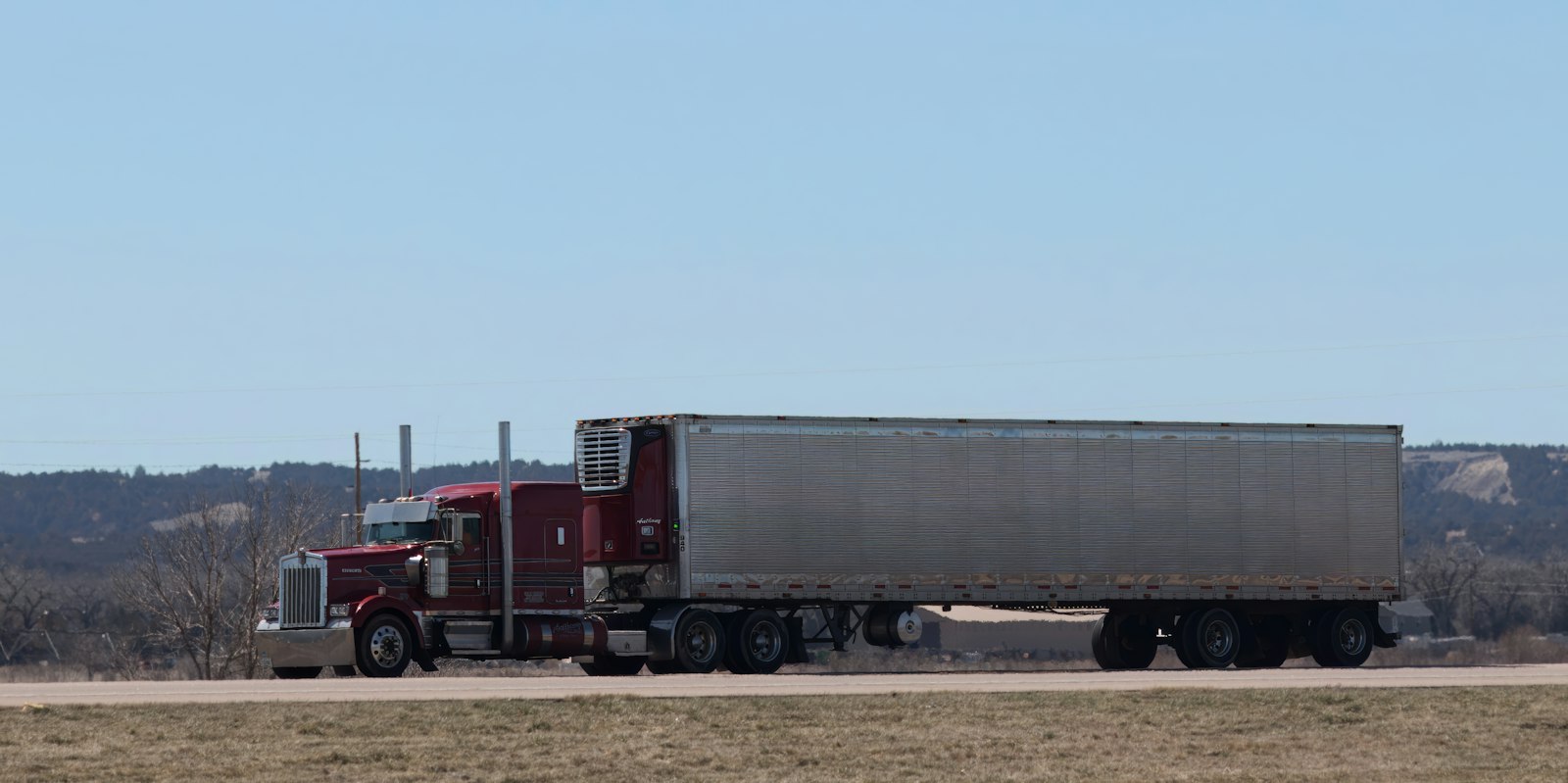
Interstate carriers follow the federal consumer rules in 49 CFR Part 375. They must give you a written estimate and the booklet “Your Rights and Responsibilities When You Move.” On a non-binding estimate, they can’t collect more than 110% of the estimate at delivery. Look up any carrier in FMCSA’s mover search tool, which shows registration status and complaint history. Our long-distance moving companies guide walks through the full paperwork.
Moving brokers
A broker sells you a move and then hires a mover to do it. FMCSA describes a broker as a middleman that is “not authorized to transport goods” and doesn’t own trucks or have professional movers. Brokers are legal, but the company that shows up isn’t the company you paid.
FMCSA sets clear rules for interstate brokers:
- They must register with FMCSA as a broker.
- Their ads must show their physical location, MC number and “their status as a broker.”
- They must base estimates on the tariff of the mover they hire.
- They may use only interstate movers registered with FMCSA, and must give you a list of the movers they use.
Ask a broker for the name and USDOT number of the actual mover before you pay a deposit, then look that mover up too.
Van line agents
A van line is a national moving network that works through local companies. FMCSA’s glossary defines an agent as “a local moving company authorized to act on behalf of a larger, national company.” The booking agent takes your order. The origin agent readies the shipment, and a destination agent may help at the other end. These can be three different companies.
Ask which company is the carrier on your bill of lading, because that’s the one responsible for your goods in transit. Ask which local agent will pack and load, and get its phone number.
Container and portable storage companies
A container company drops a container at your home, you load it, and the company hauls it to your new address or to its storage yard. You save on labor and can take days to load. The trade-off is that federal mover protections may not apply.
Under 49 CFR 375.103, a company that hauls containers or trailers loaded and unloaded entirely by you or your own helpers isn’t a household goods motor carrier. In a 2013 Federal Register notice, FMCSA said such transportation is not subject to the consumer protection rules in Part 375 and that it decides cases one at a time. That means no required booklet and no 110% rule from Part 375. Read the company’s own contract for liability, delivery windows and storage fees.
Containers suit flexible moves and moves with storage in between. Our self-storage guide compares a container yard with a rented unit.
Truck rental: you are the mover
Renting a truck means you pack, load, drive and unload, or hire labor-only help for the lifting. You sign a rental agreement, not a moving contract, so the damage to your belongings is on you. The truck itself is covered only by whatever protection you buy from the rental company or your own auto policy provides. Call your insurer before pickup.
Under FMCSA’s CDL classes, a single vehicle with a gross vehicle weight rating of 26,001 pounds or more takes a Class B commercial license. Check the rating on the truck’s door sticker and ask the rental company if you’re unsure. Our self-move checklist covers truck size, loading and driving. You can compare companies in our truck rental directory.
Specialty and white-glove movers
Specialty movers handle items a standard crew may refuse or price separately: pianos, fine art, antiques, gun safes, pool tables and large aquariums. White-glove service can add custom crating, extra padding and placement at the new home. Some full-service movers do this in-house. Others send it to a specialist.
On an interstate move, value is the bigger issue. FMCSA’s booklet says “an article of extraordinary value is any item whose value exceeds $100 per pound.” A mover can limit its liability for such items unless you list them on the shipping documents. The booklet also sets $6.00 per pound as the minimum for figuring Full Value Protection.
- List every high-value item on the inventory, with its declared value, before loading.
- Ask how the piano or artwork will be crated and who does the crating.
- Photograph each piece, front and back, before it leaves the house.

Auto transport
Auto transporters move cars on open or enclosed carrier trucks. Plan the car separately from your household goods, and ask your mover whether it handles vehicles at all. A car shipping company may be a broker that assigns your car to a carrier, the same split as in household moves. Ask who the carrier is, and note any existing damage on the inspection report at pickup. Compare companies in our auto transport directory.
International movers
An international move usually has two parts. A US mover packs and trucks your goods to a port, and an ocean shipping company carries them overseas. FMCSA’s definition of an interstate move includes moves from one state to a place outside the United States, so the US leg follows the federal mover rules.
The ocean side is regulated by the Federal Maritime Commission. The FMC’s page on ocean transportation intermediaries says US-based ocean freight forwarders and non-vessel-operating common carriers (NVOCCs) “are required to obtain a license from the FMC.” Ask your international mover for its FMC license number and which company issues the ocean bill of lading. Browse our international movers directory to compare companies.
How to choose the right type
- Decide what you’ll do yourself: packing, loading, driving, or none of it.
- Check whether you cross a state line. That tells you whether FMCSA or your state licenses the mover.
- Ask every company whether it’s a carrier or a broker, and get the USDOT or state license number.
- Get written estimates from at least three companies. FMCSA’s Ready to Move brochure gives the same advice.
- Plan the car, the piano and anything valuable as separate decisions.
Types of movers: quick answers
What is the difference between a mover and a moving broker? A mover hauls your goods with its own trucks and crew, and a broker arranges the move and hires a mover to do it. FMCSA requires interstate brokers to say they’re brokers in their ads and to use only FMCSA-registered movers.
Do local movers need a USDOT number? Not for the federal government if they only move within one state. Your state sets the rules, and states such as Texas, California, New York and Florida license or register in-state movers.
Are portable container companies regulated like movers? Usually not, if you load and unload the container yourself. Under 49 CFR 375.103, those shipments fall outside the household goods mover rules.
What does full-service moving include? Loading, transport and unloading, with packing and unpacking often priced as extra services. Ask for every service in the written estimate.
What is a van line agent? A local moving company authorized to act for a national van line. The agent may book, pack or deliver your move, while the van line can be the carrier on the bill of lading.
Who regulates international movers? FMCSA covers the US trucking leg, and the Federal Maritime Commission licenses US-based ocean freight forwarders and NVOCCs.
Know which type you need? Compare quotes from up to 4 licensed movers.
