
Free quotes from up to 4 licensed movers
Movers Directory lists hundreds of moving companies, organized by state. When we find a license for a mover, its listing shows the number so you can look it up yourself: USDOT and MC numbers in the federal FMCSA registry, state license numbers with the state. Fill in the form once and your request goes to no more than 4 licensed movers matched to the state your move starts in, so you compare a few quotes instead of fielding calls from a dozen companies. We are a directory and quote service, not a moving company. Browse movers by state, or start with the guides below if you’re still planning.
Household movers by state, with USDOT numbers you can check. Auto transport for shipping a car across the country or overseas. Self storage for the gap between move-out and move-in. Containers and freight trailers: you pack and load, they drive. Overseas household moves: packing, ocean or air freight, customs. Rental trucks for a do-it-yourself move, local or one-way. Agents and services for buying, selling or renting your next home. Home-loan companies for financing the home you’re moving into. Where to get boxes and supplies, and how many you’ll need. A company that moves households between states needs a USDOT number and active interstate authority (an MC number) from the Federal Motor Carrier Safety Administration. Many states also license movers who work only inside the state. We look up each number in the FMCSA census and keep it only when it belongs to the same company, by name or phone. The number then goes in the listing’s License Info box. Authority can lapse after we check, so confirm it’s active on the FMCSA site before you sign. State license numbers on a listing come from the mover; check those with the state. Each request goes to no more than 4 licensed movers, matched on the state where your move starts, so you get a few written quotes to compare side by side. Nothing. Movers pay us for each request they receive; you pay only the mover you hire. Before you sign, read the estimate type: a binding estimate fixes the price, while a non-binding one can change with the actual weight and services. On an interstate move, the mover can’t make you pay more than 110% of a non-binding estimate at delivery (FMCSA). The FMCSA lists these warning signs: an estimate given over the phone or online without an on-site inspection of your things, no written estimate, a demand for cash or a large deposit, a request to sign blank or incomplete papers, and a website with no local address or registration details. Walk away from any of them. Interstate moves follow federal rules, including the booklet “Your Rights and Responsibilities When You Move” that the mover must give you. Moves inside a state follow that state’s rules, which differ: each state page, such as Texas moving companies, explains who regulates movers there and how to check one.
On a moving company listing, the License Info box holds a federal USDOT or MC number for a carrier, the same kind of number for a broker, or a state mover license. A company we found no license for is not presented as licensed. Two labels are worth a second look. “Agent of X” means the company is a local agent of the van line X and we could not find the agent’s own USDOT number, so ask which number will be printed on your contract. A broker number means the company arranges the move and hires the carrier. Per FMCSA’s Movers vs. Brokers page, brokers have no trucks of their own and must hand your shipment to an FMCSA-registered mover. Treat the box as a lead, not an endorsement. Nobody here rates movers, ranks them or checks their insurance, and state license numbers are taken from the mover without a call to the state. The federal match has a limit too: FMCSA’s census file includes inactive companies, so a matching number doesn’t prove the registration is active this week. How we check movers explains the method step by step. Repeat the FMCSA search a few days before the truck comes. Registrations change, and a directory listing can trail behind. Movers can dispute a request they consider bad within 72 hours, so enter your real move date and a phone number you answer. Get each estimate in writing. FMCSA’s Ready to Move brochure recommends collecting at least three from movers or brokers before you compare costs, and one request here can bring you up to 4. Run the three lookups above on whichever company you lean toward. For an interstate move, file with FMCSA’s National Consumer Complaint Database, online through its complaint page or at 1-888-368-7238. FMCSA says a complaint could trigger a federal investigation. It can’t resolve claims against a mover, though, so send your damage claim to the mover in writing within 9 months of delivery. Complaints about a move that stayed inside one state go to state or local offices instead, such as a consumer affairs agency or the state attorney general, according to FMCSA. Our state pages name the agency that regulates movers in each state.
Compare quotes from licensed movers
Find a licensed moving company in your state

Moving Companies
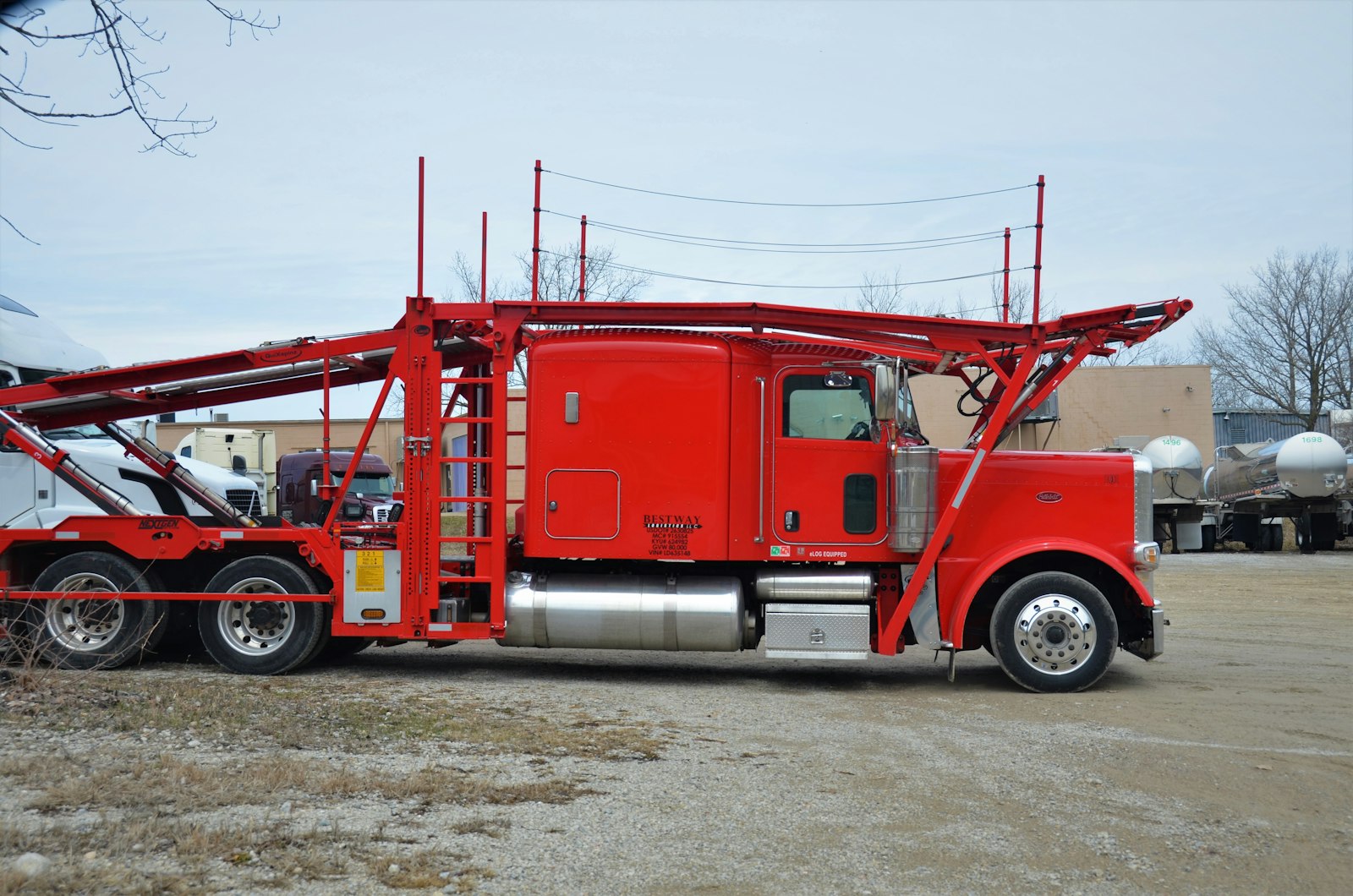
Car Shipping

Storage Facilities

Self Service Moving

International Movers

Truck Rentals

Real Estate

Mortgage & Finance

Boxes & Packing
How Movers Directory works
We match each mover’s federal numbers before we show them
Your request goes to 4 movers at most
What a quote request costs you
Red flags before you book any mover
Moving between states, or inside one

Reading the License Info box on a listing
Three free lookups before you book

What happens after you send a quote request
Where to complain if a move goes wrong
Planning a move: where to start

 Planning a Move?